If you’ve been told a positive input ventilation (PIV) unit could fix your condensation, it’s natural to worry about the obvious catch. Won’t pushing air into the house make it colder? It’s one of the most common questions we hear, especially at this time of year when nobody wants to lose heat from their home.
The short answer is no, not in the way most people picture. A PIV unit doesn’t blow icy air through your rooms like an open window would. Most households find the home feels drier and more comfortable, and often easier to heat. There are a few things worth understanding first, so here is how it really works.
Where does the air in a PIV system come from?
A typical PIV unit is fitted in the loft. It draws in air, passes it through a filter, and sends it down into the house through a diffuser, usually on the landing ceiling. Loft air tends to be a little warmer than the air outside, because it picks up some of the warmth that escapes from the rooms below. That means the air entering your home is rarely as cold as the air you’d get from opening a window.
Wall-mounted units are also available for flats and properties without a usable loft. They work on the same principle, but they take air from outside, so a survey is important to find the right setup.
How much air does it actually move?
Much less than you might expect. The unit runs continuously at a low, steady rate, so you won’t feel a draught or a blast of air. It creates a very slight positive pressure inside the property, and that gently pushes stale, moist air out through the small gaps every home already has, such as around doors, windows, vents and airbricks.
Because the airflow is so gentle, most people stop noticing the unit within a few days. What they do notice is the change in the house: fewer steamed-up windows, less moisture on walls and ceilings, and fewer musty smells.
Why a PIV system can make your home feel warmer
Damp air feels colder than dry air, and it takes more energy to heat. If condensation is a problem in your home, walls, curtains and furniture hold moisture, which makes rooms feel clammy even when the heating is on. You turn the thermostat up, the moisture stays, and the house still never quite feels warm.
By replacing humid indoor air with fresh, filtered air, a PIV system lowers the moisture level throughout the home. Drier air and drier surfaces feel more comfortable at the same temperature, and many people find they don’t feel any colder at their usual heating settings.
When might you notice a difference?
It’s only fair to be honest about this. On the very coldest days of winter, you might notice the landing or hallway area feels slightly cooler, particularly if the loft is poorly insulated or the house is left unheated for long periods. A few simple things make a big difference:
Choose a heated unit. Some PIV models include a small built-in heater that takes the chill off the incoming air. These are worth considering for rental properties and homes that are empty for part of the day.
Check your loft insulation. A well-insulated loft keeps heat inside the house and stops the loft air dropping too low.
Get the settings right. Many units have adjustable settings, so airflow can be balanced against comfort and the needs of your property. A professional survey and installation takes care of this for you.
What is it like to live with a PIV unit?
Once it’s installed, there is very little for you to do. The unit runs continuously in the background, so there’s no switch to remember and no tank to empty. The filter needs an occasional check to keep the air clean, and that’s about the extent of the upkeep. For tenants, that means a system that does its job without relying on anyone to operate it, and for landlords it means one less thing to chase.
Common worries about PIV units
Will it be noisy? Modern units are designed to run quietly in the loft, and the ceiling diffuser is generally unobtrusive. You shouldn’t hear it in normal use.
Will it make my loft damp? No. The constant movement of air actually helps keep loft spaces drier.
Does it work in a flat? It can. Wall-mounted units are made for flats and apartments, though the right choice depends on the layout, so it’s best checked at survey stage.
Will it replace my extractor fans? No. Extractor fans still do the important job of removing moisture straight from kitchens and bathrooms. A PIV unit works alongside them, not instead of them.
Signs your home may need better ventilation
If any of these sound familiar, poor ventilation could be the cause:
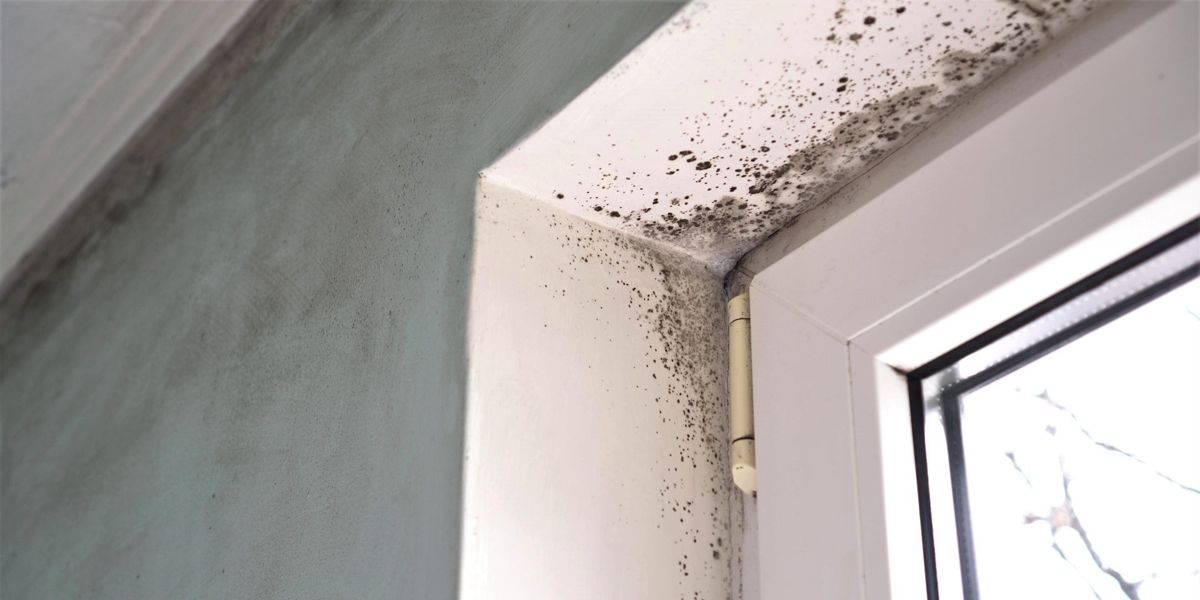
Black mould in corners, on ceilings or behind furniture
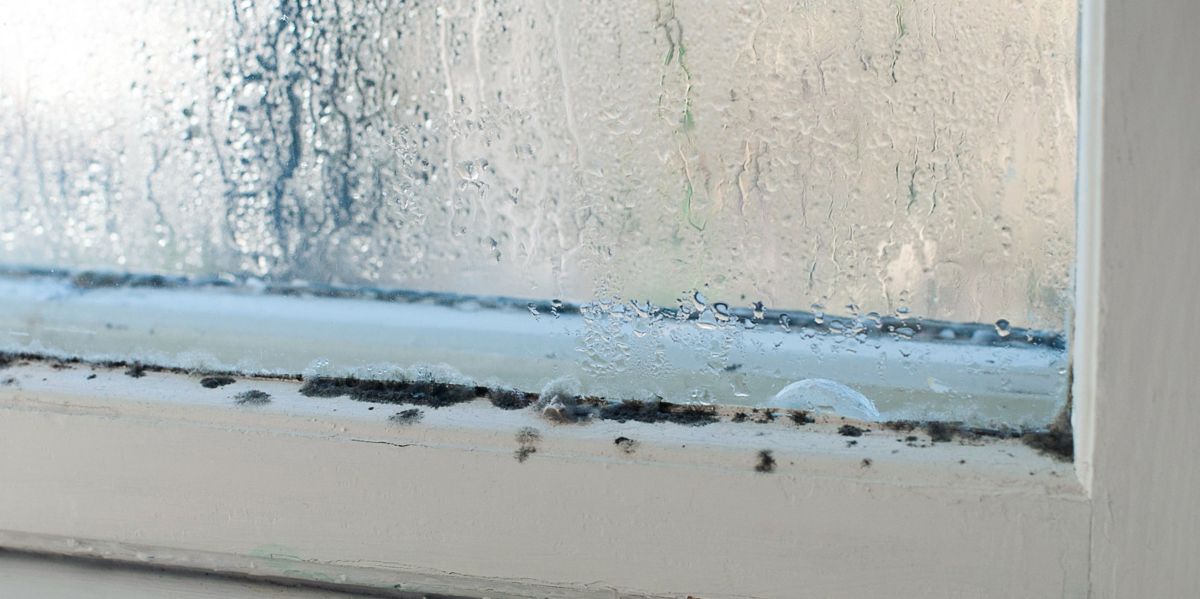
Windows streaming with water in the morning
A musty smell that doesn’t go away
Damp patches on walls, especially on north-facing or external walls
Peeling paint or lifting wallpaper
Is a PIV unit right for your home?
PIV works well for many homes with condensation and mould problems, but not every property is the same. The layout, the state of the loft, and any open-flue appliances all affect whether it’s the right choice. That’s why we start with a survey rather than a sales pitch. We’ll look at where the moisture is coming from, how the property is ventilated now, and what will realistically fix it.
If you’re dealing with condensation or black mould and wondering whether ventilation could be the answer, book a free survey and we’ll tell you what your property actually needs.
Share this post: