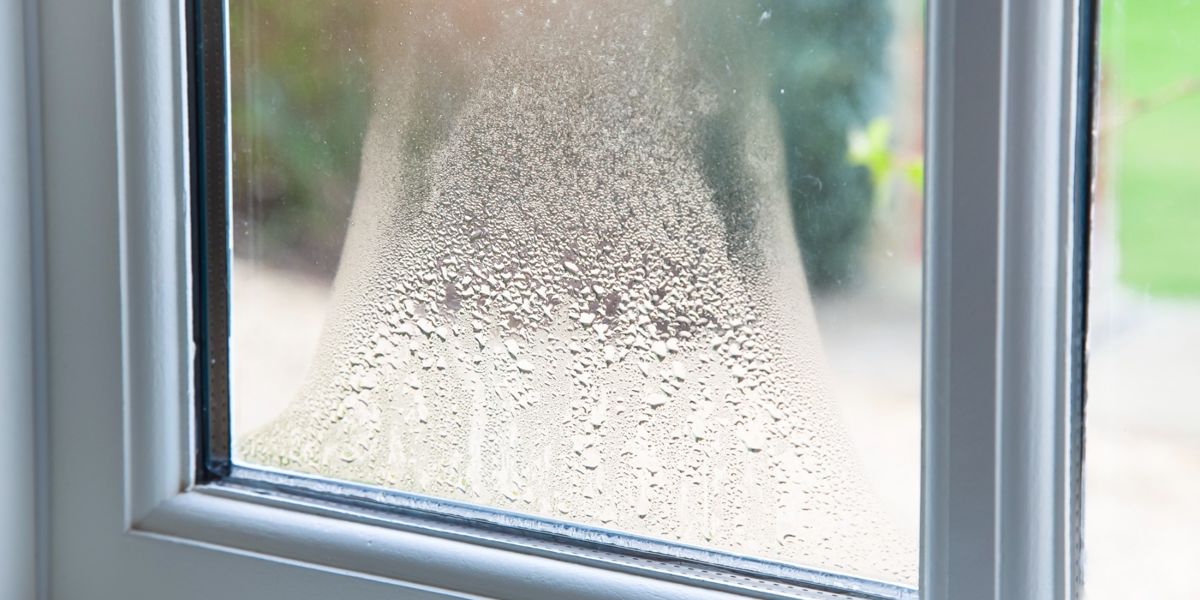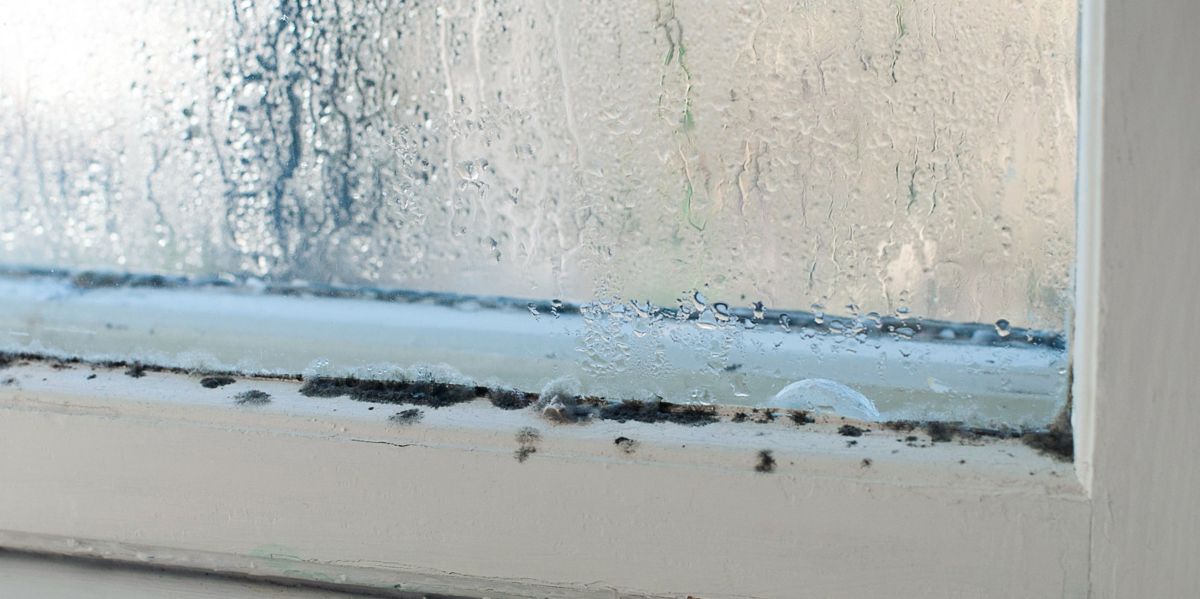
Condensation is one of the most common problems in UK homes. It often shows up as water droplets on windows, damp walls, or a musty smell in certain rooms. While it can seem like a minor issue, it is usually a sign that moisture in the air is not being managed properly.
Most condensation problems are not caused by a single fault. They are usually linked to how a home is used, heated and ventilated.
Here are the most common causes and what you can do about them.
Everyday Activities Creating Too Much Moisture
Most condensation starts with normal daily life. Moisture is constantly released into the air without people realising it.
Common sources include:
Cooking with lids off pans
Boiling kettles and steaming food
Hot showers and baths
Drying clothes indoors
Multiple people living in the same space
All of this adds moisture to the air. If it has nowhere to go, it settles on cold surfaces like windows and external walls.
Poor Airflow In The Home
Air needs to move through a home to carry moisture out. When airflow is limited, damp air becomes trapped.
This often happens when:
Windows are kept closed all the time
Air vents are blocked or covered
Internal doors stay shut for long periods
Furniture is pushed tightly against walls
Without movement, moisture builds up in certain rooms, even if others feel fine.
Cold Surfaces Attracting Moisture
Condensation forms when warm, moist air meets a cold surface. This is why it often appears on windows, external walls, and behind furniture.
Homes that likely to experience condensation issues.
Poorly insulated
Heated unevenly
Or have cold corners and surfaces
Even in well heated homes, colder areas can still attract moisture if airflow is weak.
Lack Of Effective Ventilation
Ventilation is what removes moist air and replaces it with fresh air. When this is not working properly, condensation becomes much more likely.
Common problems include:
Extractor fans not being used or not working well
Air bricks or vents being blocked
No clear airflow path through the home
Systems not running long enough after cooking or showers
Without proper ventilation, moisture has no way to escape.
Heating Being Used Inconsistently
How a home is heated can also affect condensation.
Problems often happen when:
Heating is turned on and off frequently
Rooms are left unheated for long periods
Only certain areas of the home are warmed
Cold rooms combined with warm, moist air increase the chance of condensation forming.
A steady, even temperature helps reduce this risk.
Drying Clothes Indoors Without Ventilation
Drying washing indoors releases a large amount of moisture into the air.
A single load of laundry can release several litres of water as it dries.
If this is done regularly without good ventilation, it can quickly lead to:
Fogged up windows
Damp smells
Persistent condensation on walls
Using a tumble dryer or well ventilated space can make a big difference.
How To Reduce Condensation In Your Home
There is rarely one single fix, but small changes can make a big difference over time.
Practical steps include:
Using extractor fans during and after cooking or showering
Keeping air vents open and unblocked
Allowing air to move between rooms by opening internal doors
Reducing indoor drying of clothes where possible
Keeping heating at a steady, moderate level
Improving ventilation is often the most effective long term solution.
When Condensation May Need Professional Advice
If condensation keeps returning even after making changes, it may indicate a deeper ventilation or airflow issue.
Signs to look out for include:
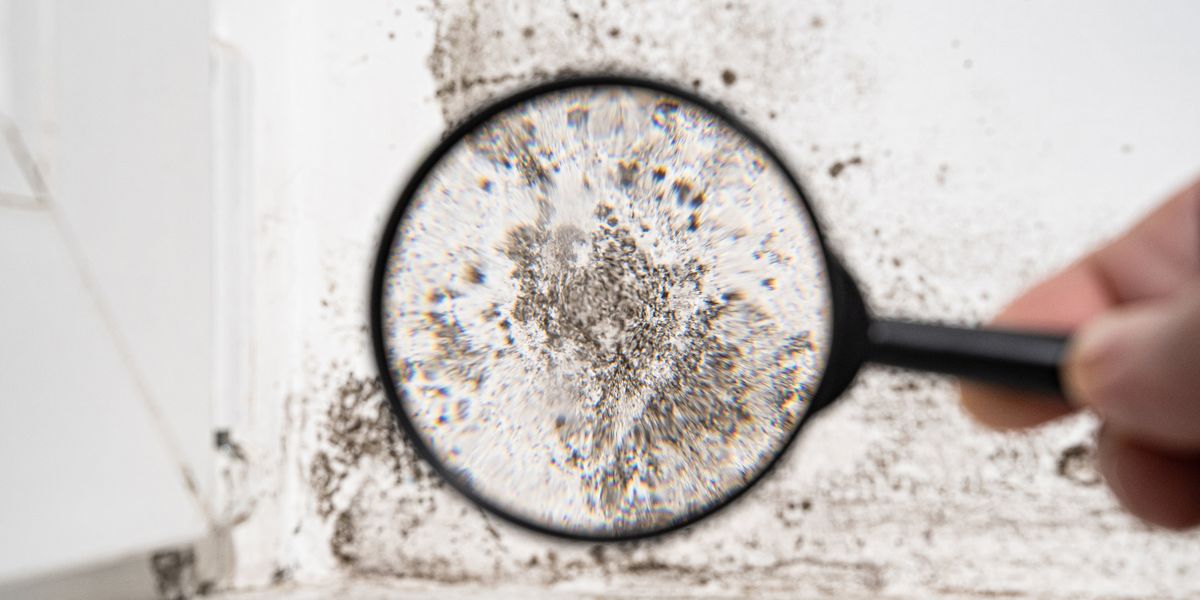
Persistent damp patches or mould
Condensation in multiple rooms
Musty smells that do not go away
Cold, damp walls even in heated rooms
In these cases, it is worth getting the ventilation in the home assessed properly.
How Domestic Air Can Help
At Domestic Air, we help identify and solve ventilation related condensation problems in homes of all types, from older properties to modern builds.
We support:
Homeowners dealing with ongoing damp or condensation
Tenants experiencing poor air quality in rented homes
Landlords and housing providers managing recurring issues
Contractors and developers improving ventilation design
If you are struggling with condensation and want clear, practical advice, we can help you understand what is happening and how to fix it.
Share this post: